
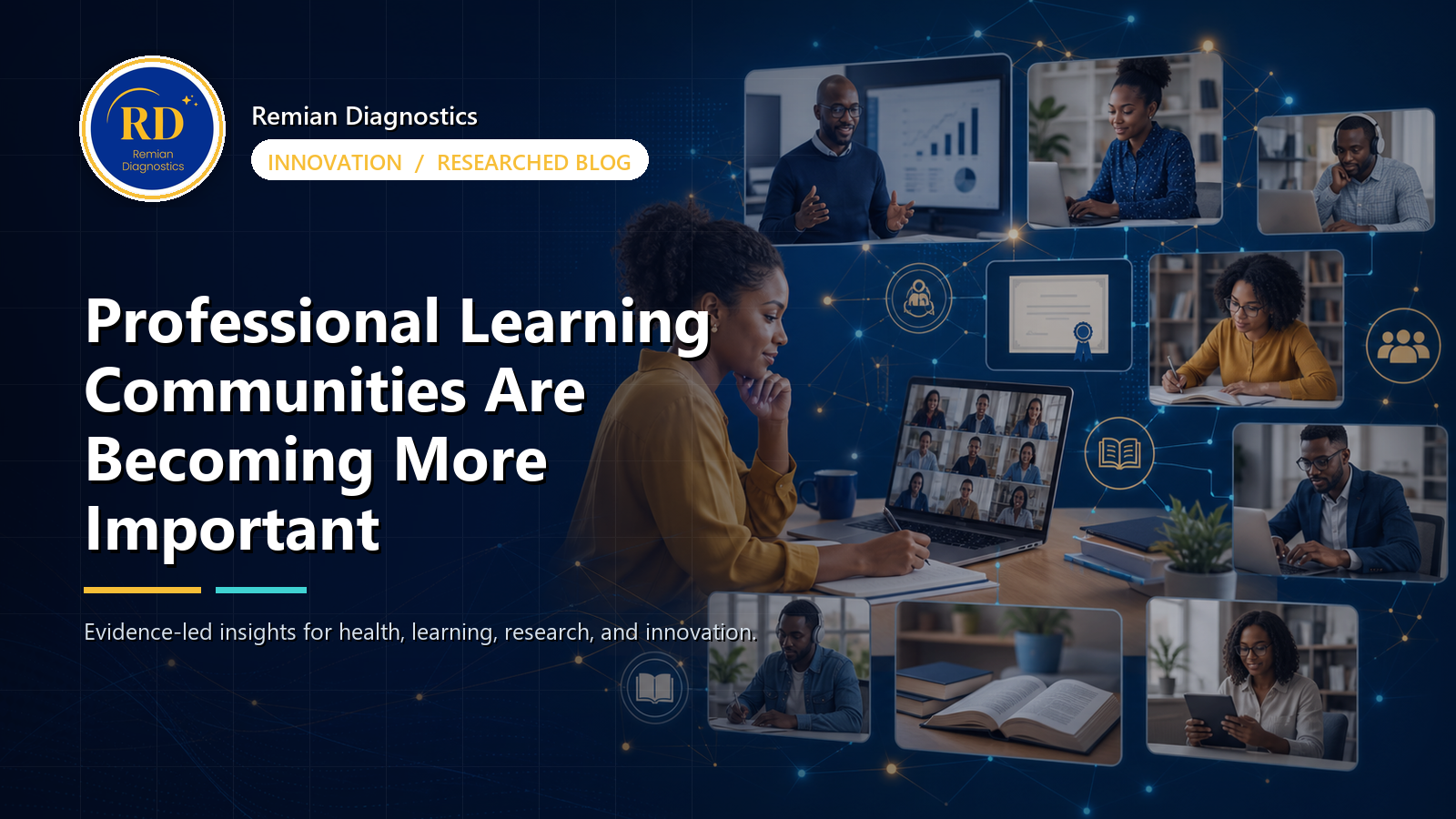
Professionals need more than one-off training. They need communities where learning, discussion, evidence, and opportunities continue after an event ends.
Why learning communities matter
Webinars and conferences create moments of learning, but professional growth happens over time. People need access to recordings, summaries, notices, articles, discussion, and upcoming opportunities so they can keep building knowledge beyond a single session.
This is especially important in fast-changing fields such as healthcare, education, technology, agriculture, and research. New evidence and tools keep emerging, and professionals need trusted spaces to stay updated.
Digital access expands participation
Virtual and hybrid learning can reduce travel barriers and allow professionals from different regions to participate. It also creates opportunities for follow-up resources, attendance tracking, feedback, and certificates where relevant.
However, the experience must remain focused. A good learning website should make it easy to find upcoming events, register, receive reminders, access notices, read useful articles, and manage one's profile without unnecessary distraction.
From events to measurable impact
The next stage of professional learning is impact tracking. Organizations should ask: How many people attended? What topics generated interest? Which groups are underserved? What did participants learn? What actions followed the training?
When learning communities combine good content with thoughtful analytics and responsible data protection, they become more than event calendars. They become engines for professional growth and community impact.
Key takeaways
- Professional learning should continue before and after live events.
- Digital access can reduce barriers when the experience is simple and focused.
- Impact should be measured through participation, learning, and follow-up action.
Sources reviewed
This article is an original Remian Diagnostics educational post prepared from public, reputable sources. It is not copied from the linked references.